

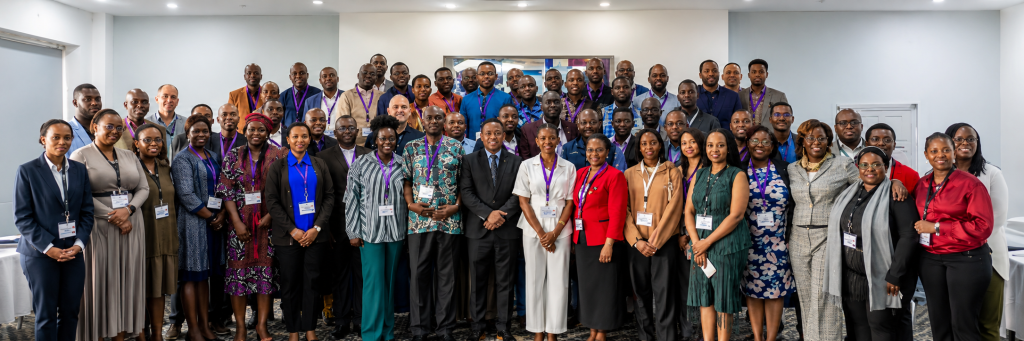
The African Christian Ecumenical Alliance (ACEA) recently reaffirmed its commitment to regional cooperation and humanitarian action by participating in the Sub-Saharan Africa Church Response to Crisis Conference, held in Nairobi, Kenya, from April 16–18, 2026.
Hosted by the Association of Evangelicals in Africa (AEA) with funding support from Barnabas Aid, this high-level convening brought together church leaders, humanitarian practitioners, and policy advocates from 22 African nations. The gathering served as a vital platform to reflect on the Church’s collective role in addressing complex continent-wide challenges, including conflict, displacement, food insecurity, and climate shocks.
The Church’s role in crisis response extends far beyond immediate relief—it encompasses healing, reconciliation, and the restoration of long-term hope.
Strategic Representation and Collaboration
ACEA Executive Director Nathaniel Maral represented the organization in robust, forward-looking discussions focused on unity, local ownership, and strategic action.
Throughout three days of interactive plenary sessions, panel discussions, and networking forums, delegates exchanged diverse contextual experiences and explored innovative approaches to crisis response. Key highlights of ACEA’s engagement included:
-
Highlighting Local Experience: Sharing lessons and best practices from ACEA’s ongoing humanitarian work in South Sudan, delivering life-saving support to internally displaced persons (IDPs), returnees, and host communities.
-
Advocating for Faith-Based Leadership: Demonstrating how faith-based organizations bridge critical service delivery gaps, strengthen social cohesion, and protect vulnerable populations.
-
Building Regional Alliances: Establishing meaningful connections and exploring new avenues for partnership with ecumenical peers across Sub-Saharan Africa.
Translating Insights into Action
Participating in the Nairobi conference provided ACEA with fresh insights into conflict-sensitive programming, emergency response management, and community-led resilience strategies. These learnings will directly inform ACEA’s ongoing interventions in South Sudan and beyond—ensuring our programs remain effective, adaptive, and deeply rooted in dignity and compassion.
ACEA extends its sincere gratitude to the Association of Evangelicals in Africa and Barnabas Aid for convening this transformative event, as well as to all partners and delegates who contributed to its success. Together, we remain resolute in our vision of a peaceful, resilient, and self-reliant Africa.