
We’d love to hear from you! Whether you want to volunteer, support our programs, or learn more about our initiatives.
Call At: +211 (0) 923069505 | +211 (0) 915851838
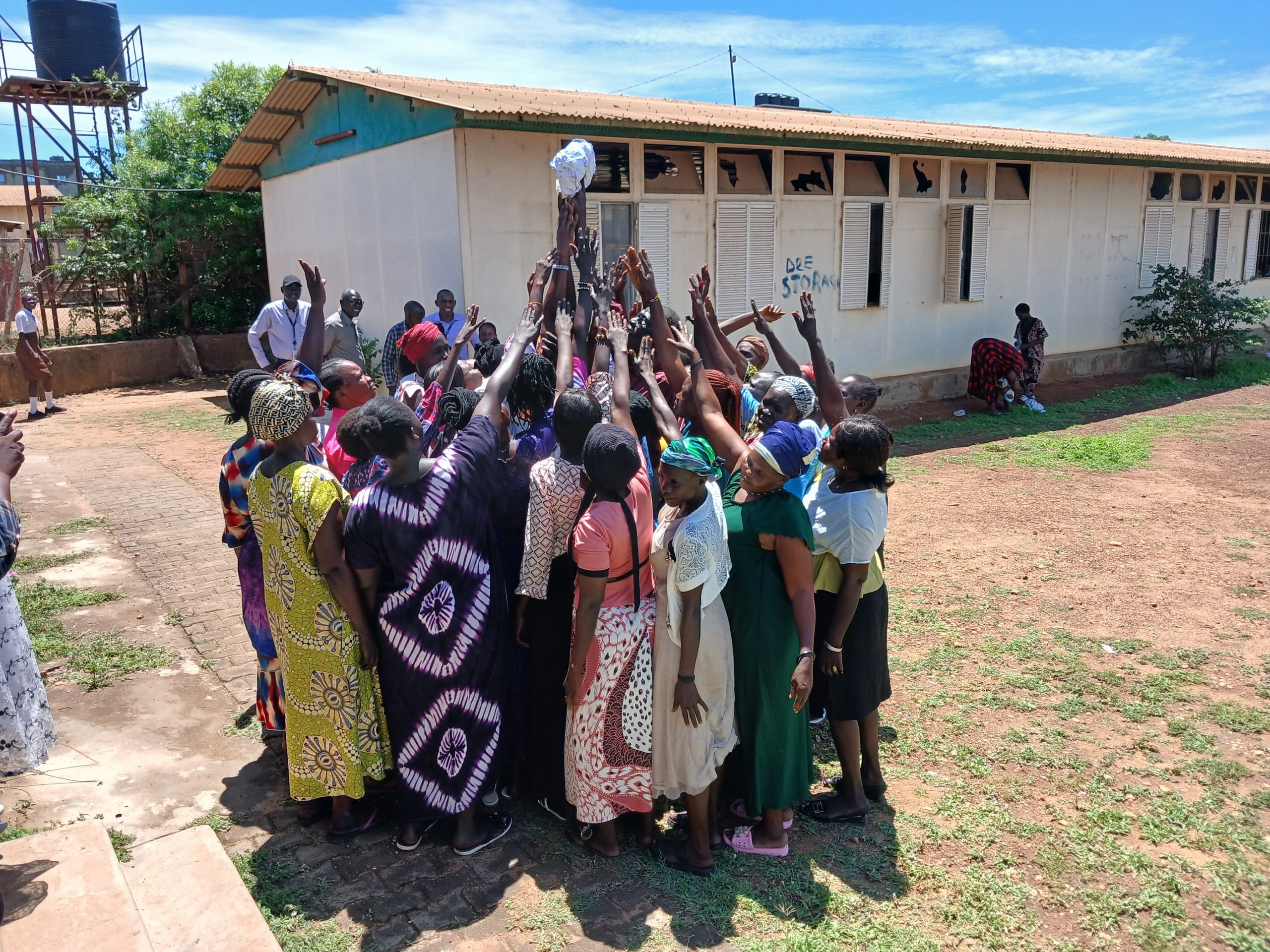
Empowering Female Ex-Combatants for Peace and Economic Independence in Central Equatoria
The African Christian Ecumenical Alliance (ACEA), in partnership with UNMISS Rule of Law and Security Institutions Section (RoLSIS), CAD, and GAU, is implementing a Community Violence Reduction (CVR) project aimed at empowering female ex-combatants and supporting their reintegration into civilian life in Central Equatoria State, South Sudan. The project responds to the urgent need to address the social, economic, and psychosocial challenges faced by former combatants—particularly women—who remain in prolonged uncertainty following the conflict.
Over a three-month period, the project will support 97 ex-combatants, including 77 women and 20 men, drawn from the Rajaf, Lologo, and Rambur training centers. Through targeted skills development, livelihood support, and peacebuilding interventions, the initiative seeks to promote economic independence, reduce the risk of re-engagement in violence, and strengthen social cohesion between ex-combatants and host communities.
The project contributes to the implementation of the Revitalized Agreement on the Resolution of the Conflict in South Sudan (R-ARCSS) by supporting the reintegration of ex-combatants into civilian life. Since 2020, many former combatants—especially female ex-combatants and Women Associated with Armed Forces and Groups (WAAF/G)—have remained in a state of prolonged limbo due to delays and gaps in the transitional process.
This has left many women facing:
Without timely support, these vulnerabilities can undermine both personal recovery and broader peace and stabilization efforts. The project therefore provides a practical pathway for women and other ex-combatants to rebuild their lives, regain dignity, and contribute positively to their communities.
The project aims to empower female ex-combatants and other conflict-affected former combatants with livelihood skills, productive assets, and peacebuilding support to enable peaceful reintegration and economic self-reliance.
The project targets 97 ex-combatants, including:
Participants are drawn from the Rajaf, Lologo, and Rambur training centers in Central Equatoria.
In collaboration with the National DDR Commission (NDDRC), the project provides targeted technical and vocational training in:
Following the training, beneficiaries will receive starter kits and productive assets to support the establishment of two cooperative enterprises:
This cooperative model is designed to promote teamwork, accountability, shared ownership, and long-term sustainability of livelihoods.
To reduce the likelihood of a return to violence, the project incorporates structured peacebuilding sessions focused on:
These sessions, facilitated by the NDDRC, are intended to strengthen participants’ understanding of non-violent conflict resolution, peaceful coexistence, and the responsibilities of civilian life after conflict.
The project supports the active participation of beneficiaries in social cohesion and community integration activities with host communities. These engagements are intended to:
The project is expected to deliver the following outcomes:
Female ex-combatants and other participants will gain practical livelihood skills, business knowledge, and productive assets that enable them to generate income and work toward self-reliance.
By combining livelihood support with peacebuilding and violence reduction training, the project will help reduce the risk of ex-combatants returning to violence or engaging in harmful coping strategies.
Participation in cooperative enterprises and social cohesion activities will foster stronger relationships between ex-combatants and host communities, improving acceptance, trust, and social stability.
The project places a deliberate focus on female ex-combatants and WAAF/G, helping address their unique reintegration challenges and ensuring they are not left behind in the peace and recovery process.
This intervention builds on successful Community Violence Reduction (CVR) models previously implemented by ACEA in Wau and Torit, where skills training and livelihood support demonstrated strong potential for reducing violence, improving resilience, and strengthening local peace. By scaling similar approaches in Central Equatoria, the project contributes to sustainable reintegration and supports broader peacebuilding efforts under Sustainable Development Goal (SDG) 16 on peace, justice, and strong institutions.
The Empowering Female Ex-Combatants for Peace and Economic Independence in Central Equatoria project offers a timely and practical response to the reintegration challenges faced by female ex-combatants and other former combatants in South Sudan. By linking vocational training, livelihood support, peacebuilding, and social cohesion, the initiative seeks not only to improve economic wellbeing, but also to restore dignity, reduce violence, and strengthen the foundations for lasting peace and stability in Central Equatoria.
Have questions about ACEA and our work? Below are some of the most commonly asked questions about who we are, what we do, and how we support vulnerable communities across Africa through humanitarian response, recovery, and resilience-building initiatives.
The African Christian Ecumenical Alliance (ACEA) is a faith-based humanitarian and development organization working to empower vulnerable communities across Africa through relief, recovery, resilience, and spiritual support initiatives.
ACEA works in disaster relief and recovery, community resilience, peace building, education support, livelihood improvement, trauma healing, and humanitarian response.
ACEA supports vulnerable populations including refugees, internally displaced people (IDPs), returnees, women, children, persons with disabilities, and host communities affected by crisis and poverty.
You can support ACEA by donating, partnering with us, volunteering, or helping amplify our mission to reach vulnerable communities across Africa.

Empowering communities, advancing equality, and creating long-term social change through advocacysupport.
Hai Mayo, Juba South Sudan RJR2+CF8, Juba, South Sudan
Copyright © 2026 All Rights Reserved.